Sweep the Hooch 2026
April 7, 2026
Troop 206 Roswell, GA: Building Leaders Through Scouting at Zion Church
April 7, 2026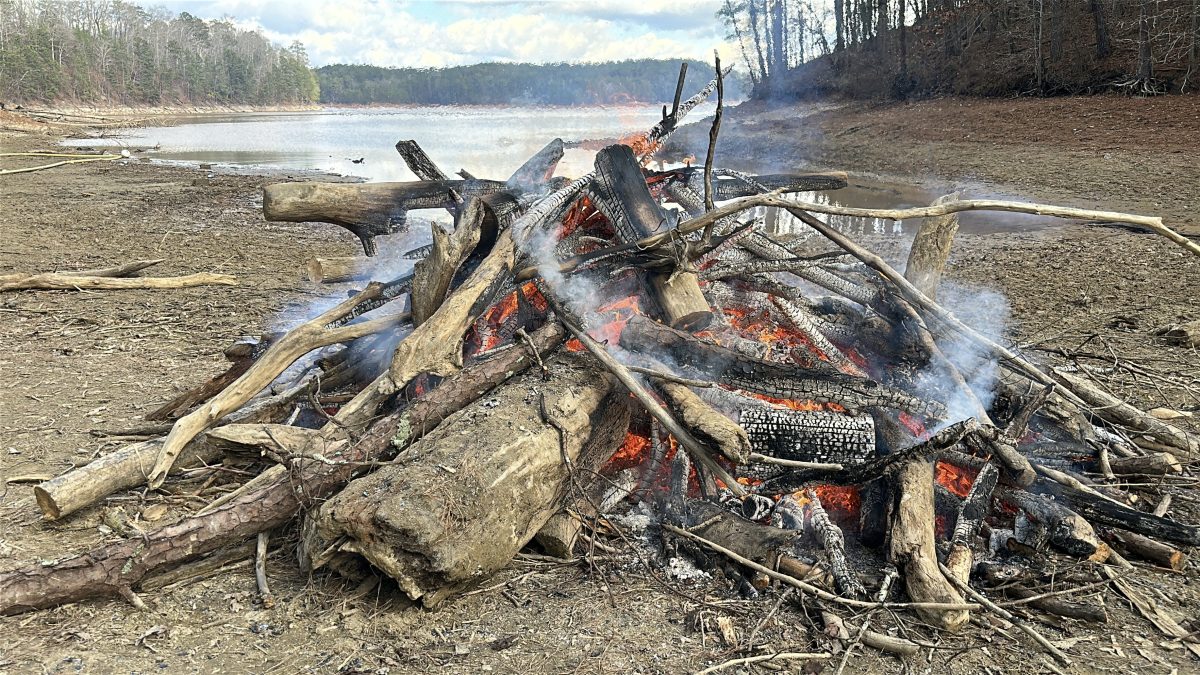
When Troop 206 of Roswell, Georgia gathered for this year’s Day of Fire, it wasn’t just about building a massive bonfire—it was about service, teamwork, and carrying forward a unique Scouting tradition.
Hosted by the Atlanta Area Council of Scouting America, Day of Fire is an annual conservation event where Scouts spend the day clearing driftwood and debris, culminating in a controlled “big burn” that can last for hours. The effort helps keep waterways usable while giving Scouts the chance to earn conservation service hours and experience hands-on stewardship.
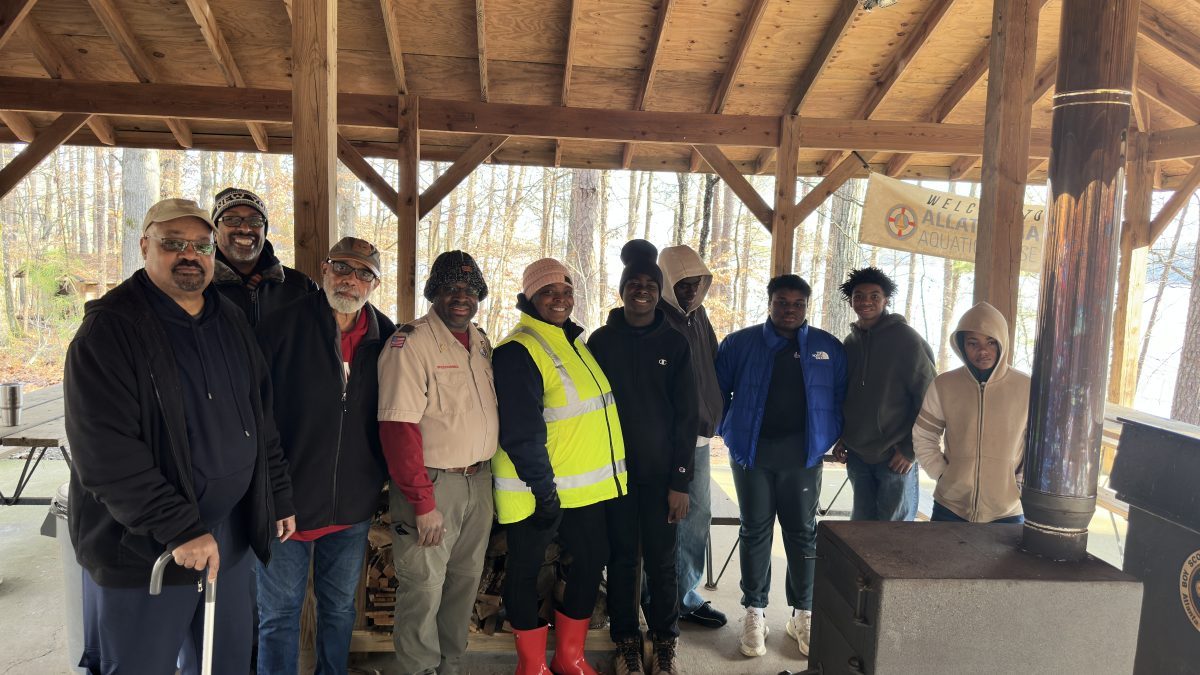
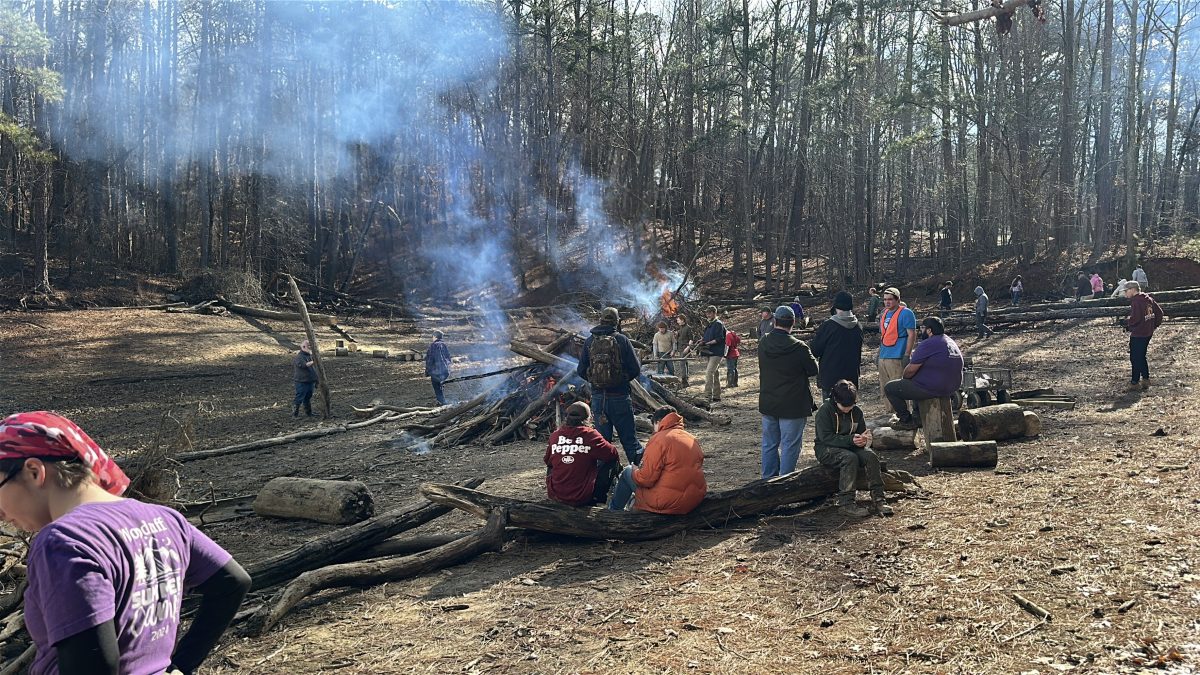
A Day of Work… Fueled by Fire
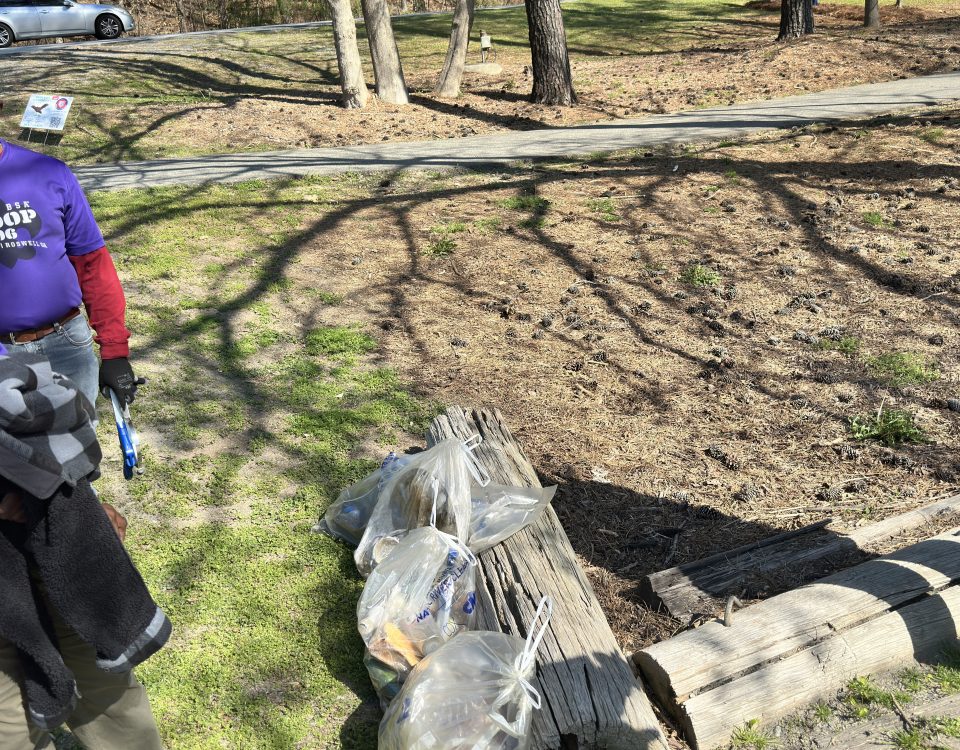
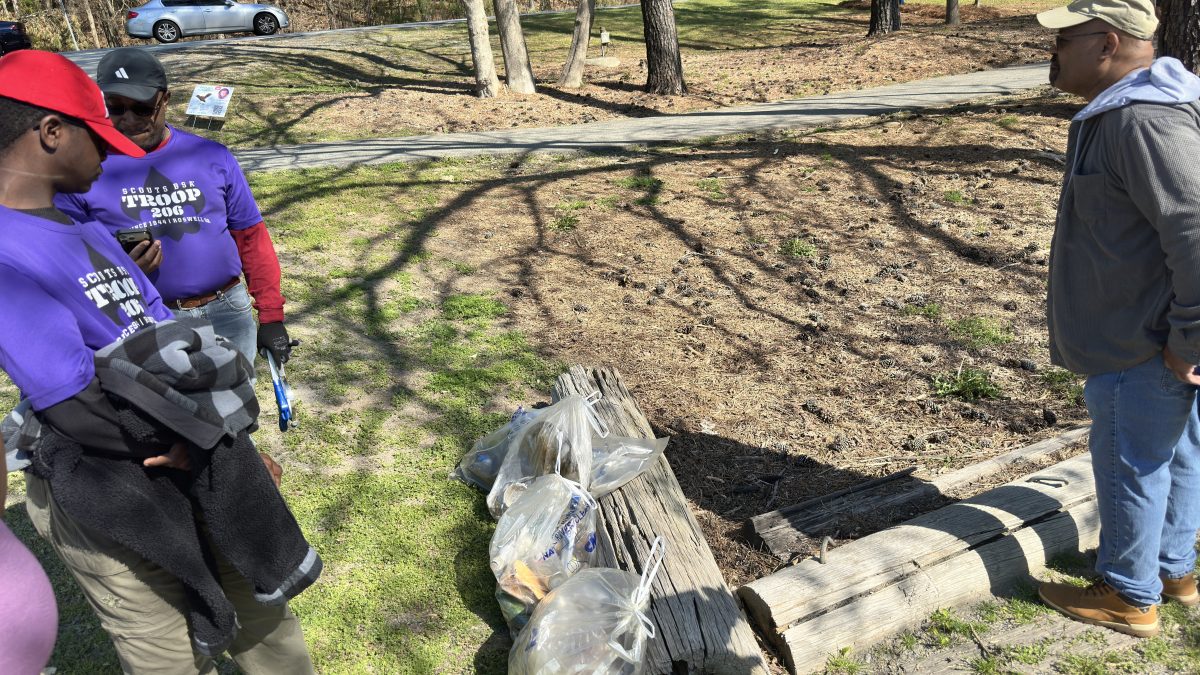
Troop 206 arrived ready to get to work. Along the shoreline, Scouts collected piles of driftwood, fallen branches, and debris that had accumulated over time. This isn’t random labor—it’s targeted environmental cleanup.
At locations like the Allatoona Aquatics Base, this process is essential. Driftwood buildup can clog coves and limit access for aquatic activities during warmer months. Removing it restores the area for both wildlife and future Scouts.
As the piles grew, so did the anticipation. Eventually, all that work leads to the defining moment of the day: ignition.
The Power of the “Big Burn”
The fire itself is more than spectacle—it’s the culmination of hours of effort. Carefully managed and supervised, the burn transforms what was once scattered debris into a controlled, purposeful blaze.
From the photos, you can see exactly what makes this event special:
- Massive stacks of driftwood carefully assembled
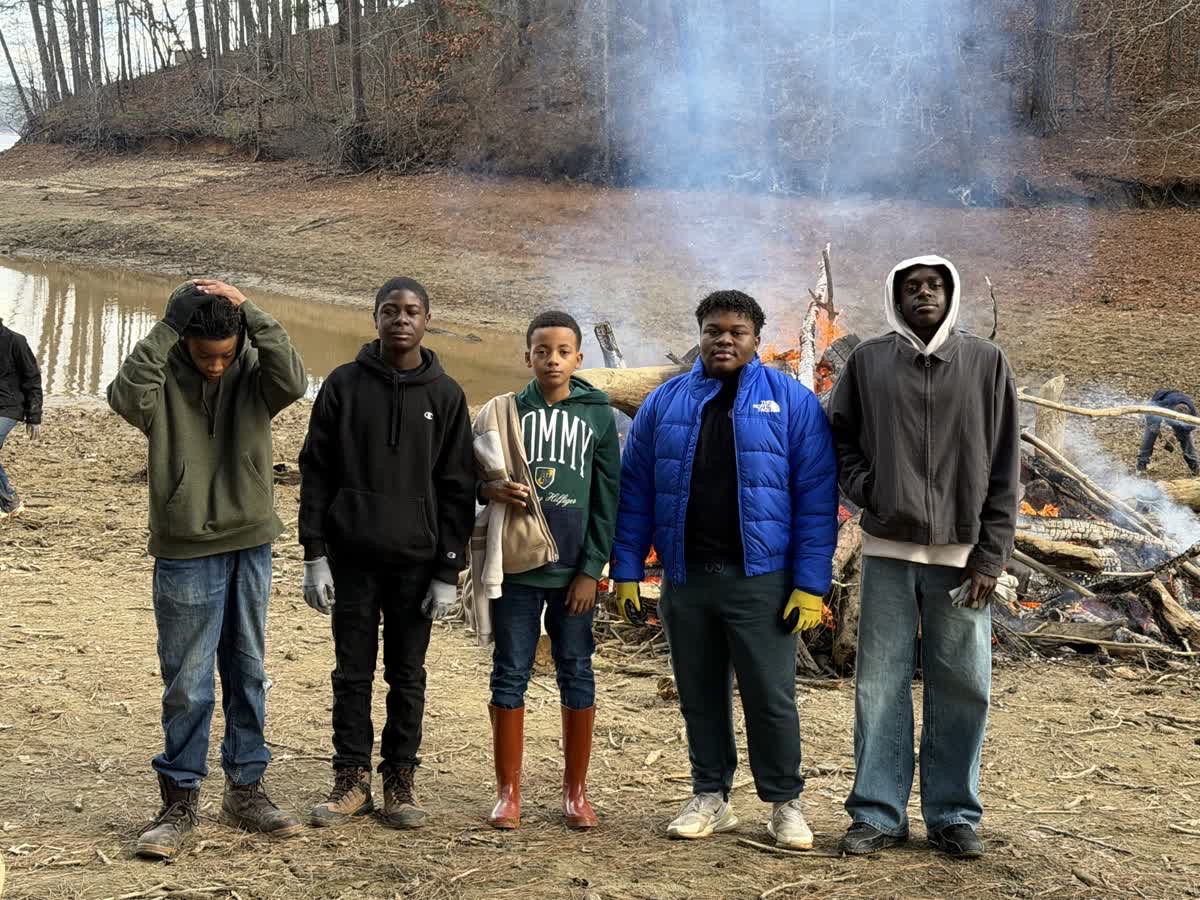
- Scouts actively contributing—carrying, stacking, and managing materials
- Leaders guiding the process to ensure safety and structure
- A shared moment as flames rise and the work pays off
This tradition often runs for hours, sometimes up to 12 hours, creating a continuous cycle of work, fire management, and teamwork.
More Than Fire: Leadership in Action
Here’s where most people underestimate the event.
This isn’t just “Scouts playing with fire.” If that’s your takeaway, you’re missing the point.
What’s actually happening:
- Operational coordination – organizing teams to gather, transport, and stack materials
- Risk management – maintaining safe distances, controlled burn zones, and supervision
- Environmental impact – actively improving waterways and habitats
- Leadership development – older Scouts guiding younger ones in real-time execution
This is applied leadership under physical conditions—not a classroom exercise.
Brotherhood, Grit, and Real Scouting
Between the work cycles, Troop 206 shared moments that define Scouting:
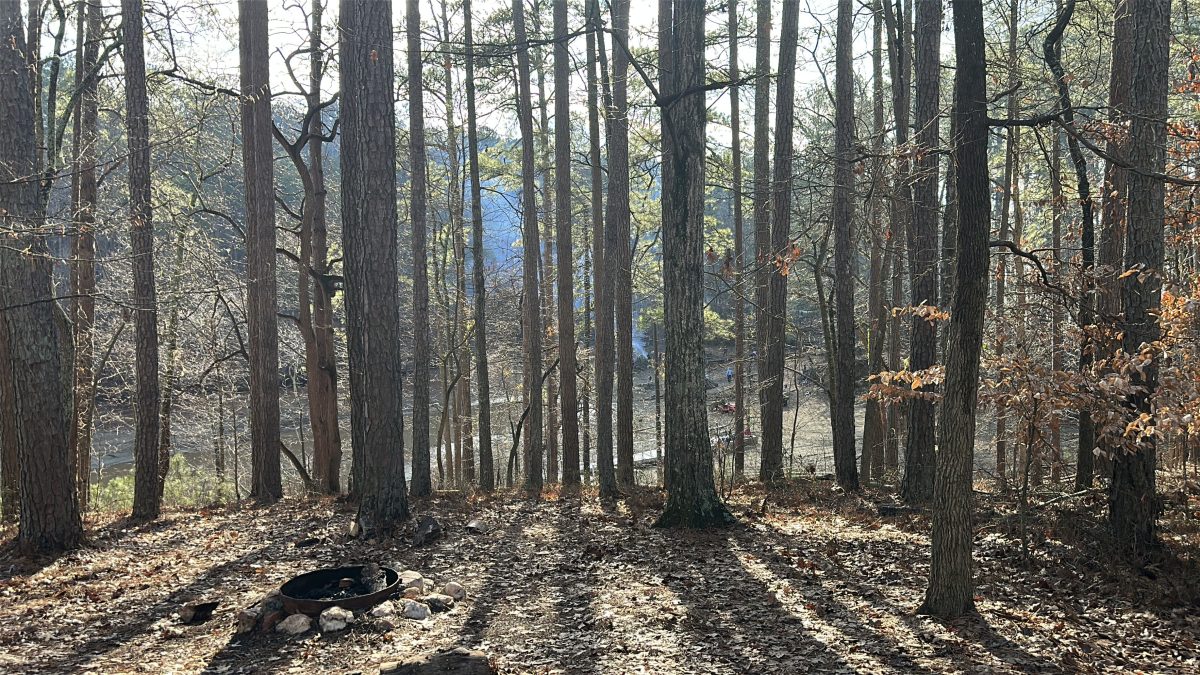
- Sitting around the fire reflecting on the day
- Encouraging each other through physically demanding work
- Building camaraderie that doesn’t happen behind screens
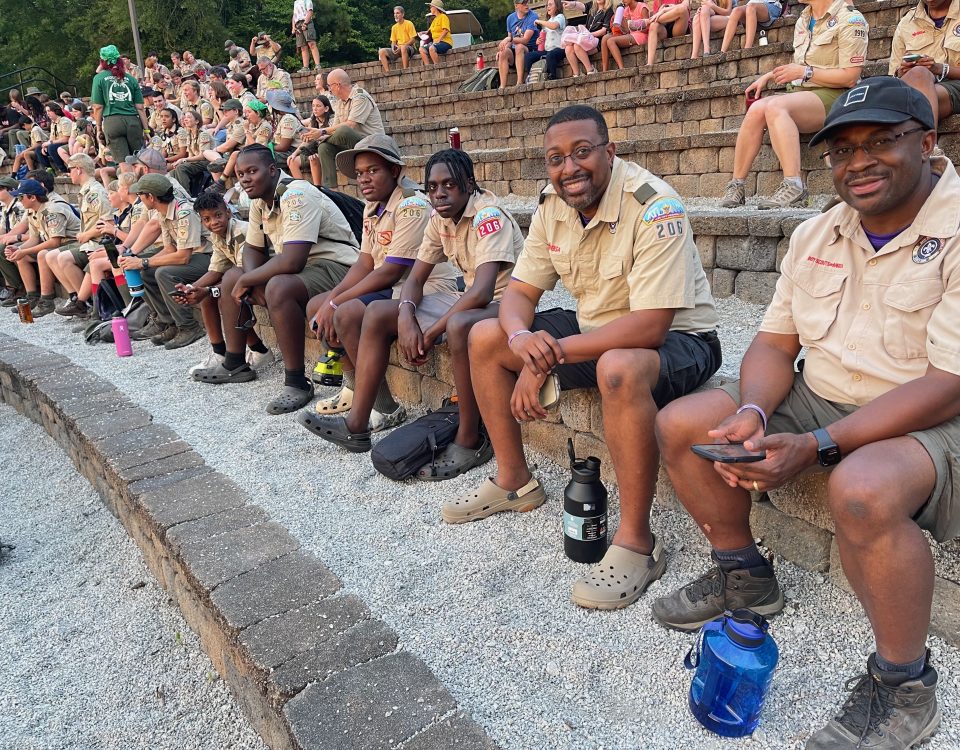
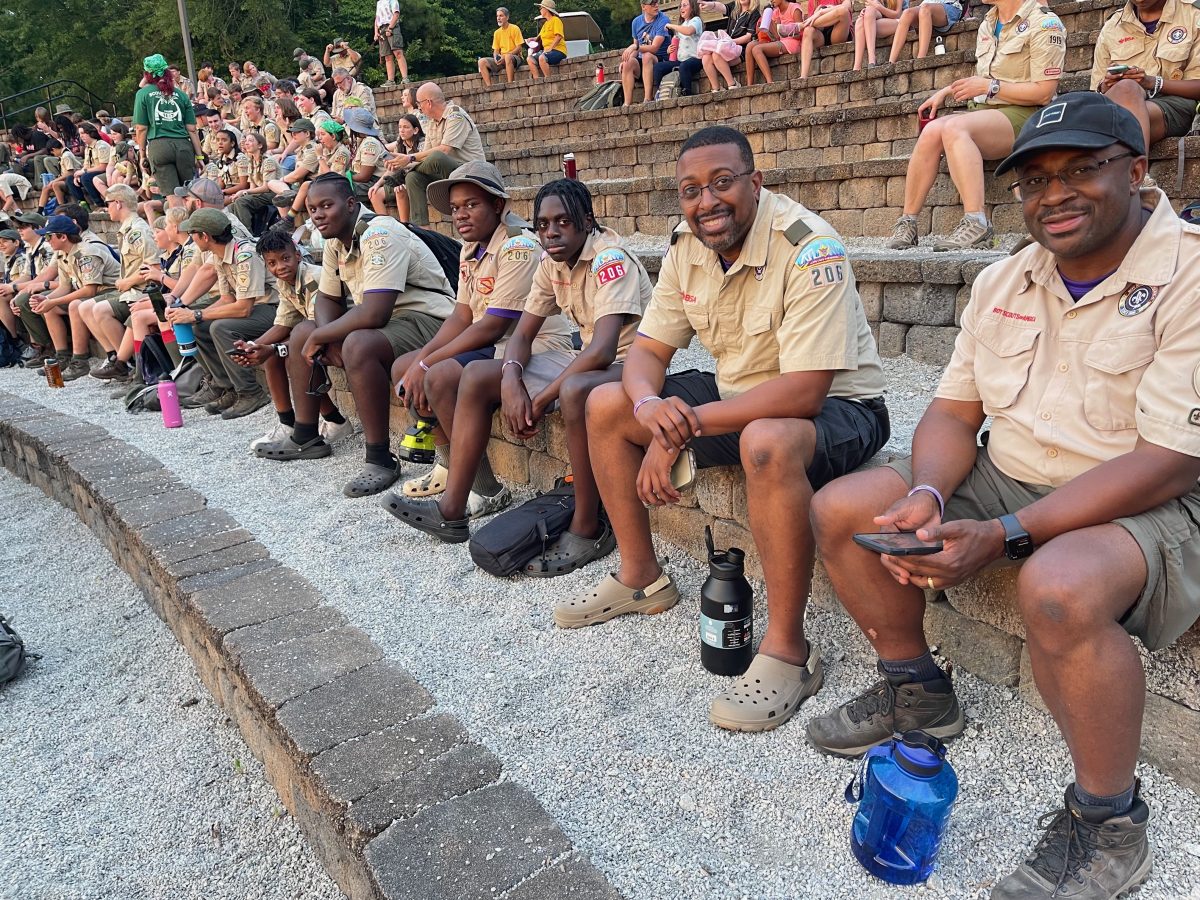
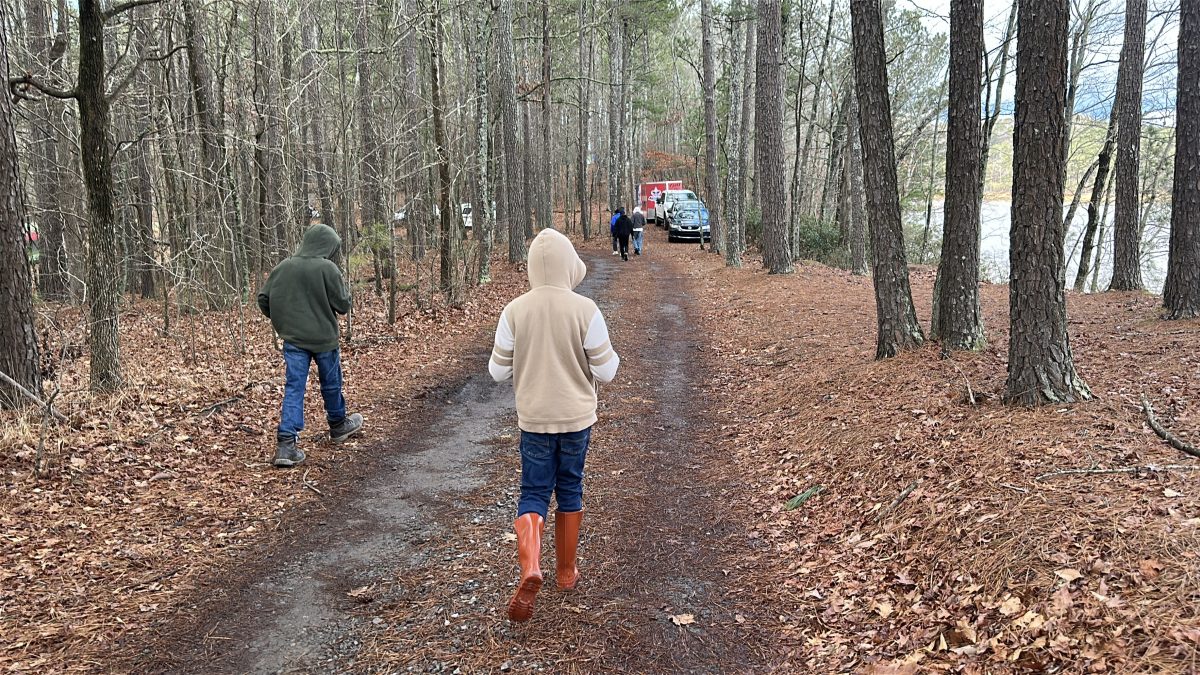
You can see it in the images—Scouts working, resting, observing, and learning together. That’s the real outcome.
Why This Matters
Let’s be blunt: most “service” today is low-effort and forgettable.
Day of Fire is not.
It demands:
- Physical effort
- Time commitment
- Team coordination
- Respect for nature and safety
And in return, it builds something most programs fail to deliver: earned confidence.
Troop 206 Sets the Standard
By showing up and fully engaging in Day of Fire, Troop 206 didn’t just participate—they contributed to a legacy.
They helped:
- Restore local waterways
- Support the broader Scouting community
- Develop real-world skills that translate far beyond camp
And most importantly, they proved something simple:
When you give young people real responsibility—and a real challenge—they rise to it.
If they keep stacking days like this, Troop 206 isn’t just building fires…
We are building leaders.